LINKS
Get Exclusive CC & Quality Setting Here : https://payhip.com/QualityCCLab
GET EXCLUSIVE FREE TWIXTOR CLIPS
Get Anime Clips Raw For Free: https://twixtorclips.com/anime-raw-clips/
Exclusive Twixtor Clips For Free: https://twixtorclips.com
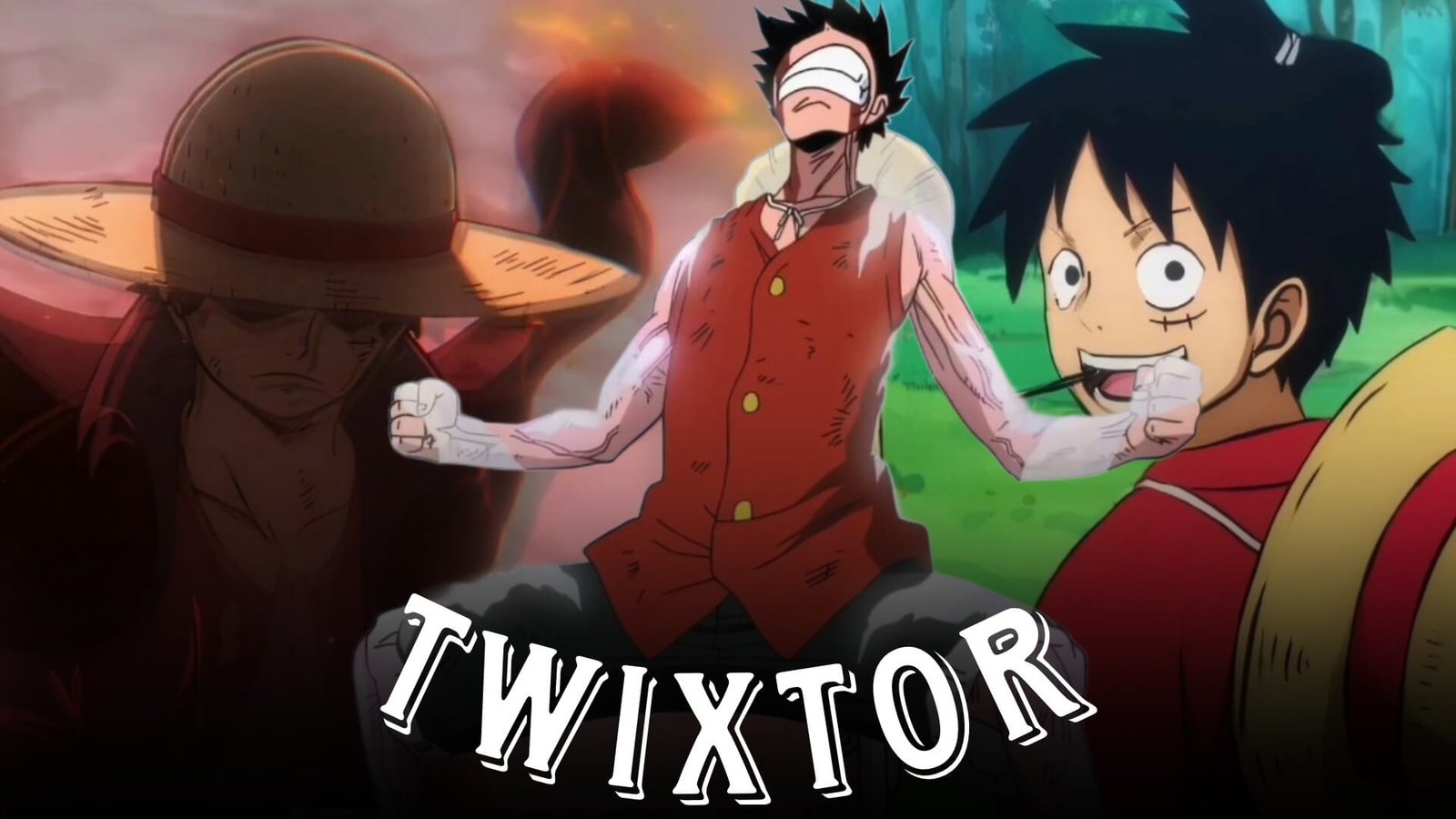
Monkey D. Luffy Twixtor: Best One Piece Moments for Cinematic Edits
Monkey D. Luffy is the central protagonist of One Piece and one of the most recognizable characters in anime. His energetic personality, creative fighting style, different Gear transformations, and powerful Haki abilities provide a wide variety of scenes for anime editors.
Monkey D. Luffy Twixtor edits can highlight his different transformations, attacks, expressions, battles, and dramatic character moments. These clips can be used for AMVs, velocity edits, YouTube Shorts, TikTok videos, and Instagram Reels.
Editorial Note: This article focuses on anime editing education and scene analysis. It does not host or distribute copyrighted anime footage. Use footage you have the right to use and follow applicable copyright and platform policies.
Why Luffy Is Great for Twixtor Edits
Luffy’s fighting style includes rapid movements, stretching attacks, transformations, and powerful impact sequences.
Popular editing elements include:
- Gear 2
- Gear 3
- Gear 4
- Gear 5
- Armament Haki
- Observation Haki
- Conqueror’s Haki
- Powerful punches
- Stretching attacks
- Character close-ups
- Battle transformations
Best Monkey D. Luffy Moments for Editing
Luffy Gear 2
Gear 2 provides excellent material for fast-paced velocity edits.
The combination of speed effects and rapid attacks allows editors to create transitions such as:
Luffy close-up → Gear 2 activation → slow motion → acceleration → attack
Use the transformation as a natural beat-drop moment.
Luffy Gear 4
Gear 4 provides a completely different visual style.
Its powerful movements, large attacks, and transformation sequence can work well as the centerpiece of an action edit.
Try:
Normal Luffy → transformation buildup → Gear 4 reveal → slow motion → attack → impact
Keep the transition clean so the transformation remains the focus.
Luffy Gear 5
Gear 5 offers highly distinctive animation and movement that can be used for creative edits.
Its exaggerated movements allow editors to experiment with:
- Speed ramps
- Freeze frames
- Beat synchronization
- Camera transitions
- Impact effects
A possible structure is:
Close-up → Gear 5 reveal → slow motion → movement → attack → beat drop
Because the animation itself is visually distinctive, avoid covering it with excessive effects.
Luffy’s Haki Moments
Luffy’s Haki scenes can create powerful cinematic sequences.
You can combine:
Character close-up → Haki activation → reaction shot → attack preparation → impact
For a dramatic edit, use a slower section during the buildup and return to full speed at the attack.
Twixtor Editing Tips for Luffy
Use High-Quality Footage
High-quality source footage generally provides more visual information for interpolation, particularly during fast attacks and transformations.
Apply Twixtor Selectively
Good moments include:
- Gear transformations
- Punches
- Kicks
- Running
- Haki activation
- Attack preparation
- Impact frames
Avoid applying interpolation across hard cuts or highly complex animation.
Use Velocity Ramping
A simple pattern is:
100% → slow motion → acceleration → impact → 100%
This gives your edit a stronger rhythm.
Synchronize With Music
Luffy edits can work with:
- Phonk
- Rock
- Electronic beats
- Orchestral music
- Cinematic soundtracks
Synchronize Gear transformations and major attacks with strong beats.
Color Grading Ideas
For a cinematic Monkey D. Luffy Twixtor edit, experiment with:
- High contrast
- Controlled saturation
- Subtle sharpening
- Mild bloom
- Light film grain
Different Gears can also inspire different visual treatments, but maintaining consistent grading across the entire edit can make it feel more professional.
Common Editing Mistakes
Avoid:
- Extreme slow motion
- Excessive camera shake
- Heavy motion blur
- Too many transitions
- Excessive flashes
- Over-sharpening
- Excessive glow
Luffy’s animation already contains plenty of movement and visual effects, so a clean editing style can make the footage more impactful.
Why Editors Love Monkey D. Luffy
Luffy’s different transformations give editors a wide range of visual styles. Gear 2 emphasizes speed, Gear 4 provides powerful action, while Gear 5 offers a more expressive and unconventional animation style.
This variety makes Monkey D. Luffy Twixtor suitable for everything from fast velocity edits to cinematic character AMVs.
A strong edit can progress through his journey:
Base Luffy → Gear 2 → Gear 4 → Haki → Gear 5
This creates a natural sense of progression while showcasing different aspects of his character.
FAQ
What are the best Luffy scenes for Twixtor?
Gear transformations, Haki moments, major attacks, close-ups, and important battle sequences are excellent choices.
Which Luffy Gear is best for edits?
It depends on the editing style. Gear 2 works well for speed edits, Gear 4 for aggressive action edits, and Gear 5 for creative and visually unconventional edits.
How can I make Luffy Twixtor clips smoother?
Use high-quality footage, apply Twixtor selectively to clear movements, avoid hard cuts, and synchronize speed changes with your soundtrack.
Final Thoughts
Monkey D. Luffy Twixtor is a strong topic for One Piece editors. His Gear transformations, Haki abilities, powerful attacks, and memorable battles provide countless opportunities for slow motion, velocity changes, and cinematic transitions.
For more One Piece editing content, explore Luffy Gear 5 Twixtor, Luffy Gear 4 vs Kaido Twixtor, Luffy vs Lucci Twixtor, Zoro Twixtor Clips, Sanji Twixtor, Portgas D. Ace Twixtor, and Shanks Twixtor.