LINKS
Spider Man Civil War Twixtor: Best Marvel Fight Scenes for Edits
Peter Parker’s MCU Debut Has a Different Energy
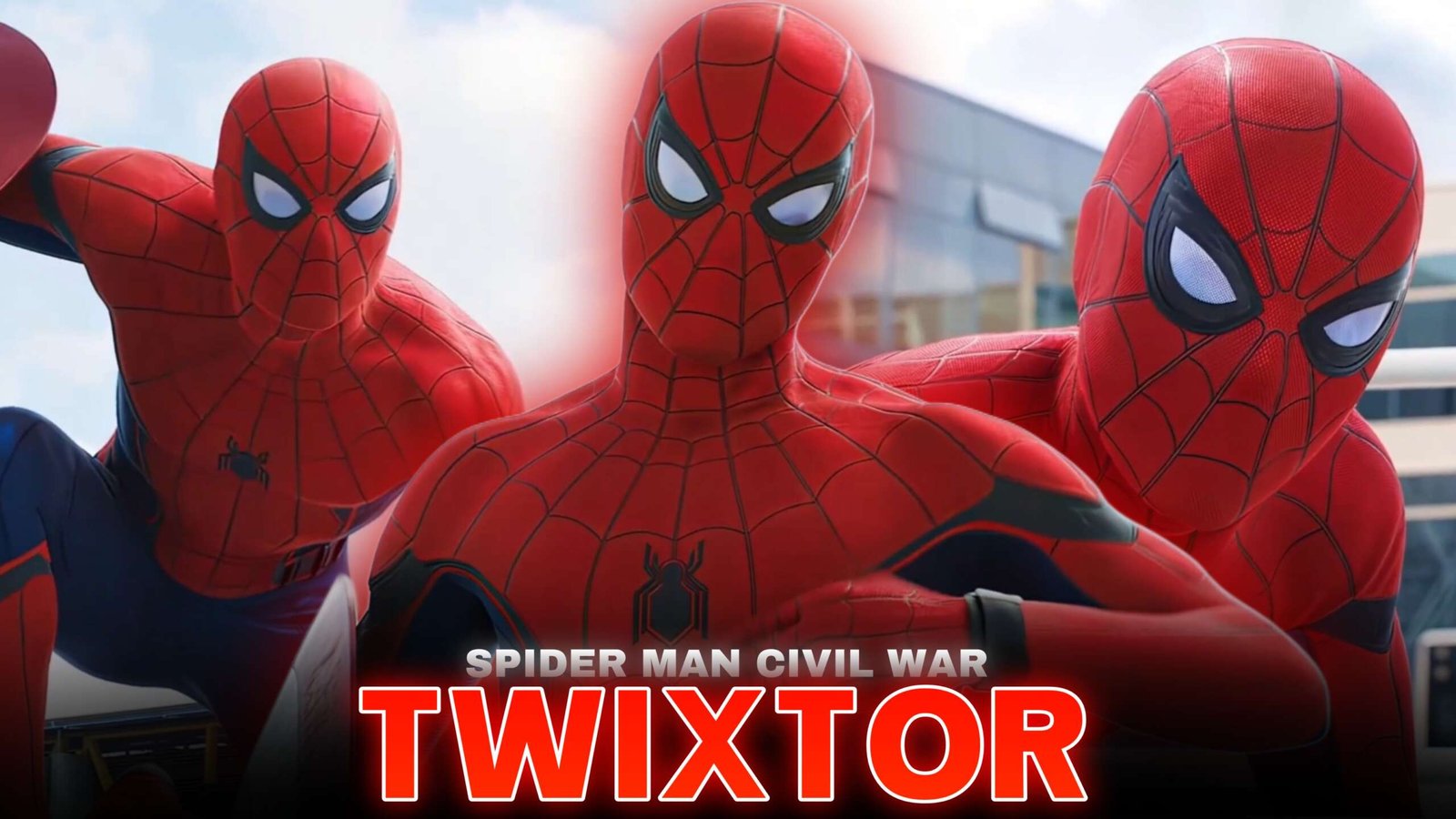
Spider Man Civil War Twixtor gives editors a distinctive combination of youthful confidence, acrobatic movement, expressive reactions, and superhero combat. Peter Parker’s introduction in Captain America: Civil War feels different from the darker Spider-Man stories because his fighting style mixes quick improvisation with humor and impressive agility.
The airport battle is particularly useful for edits that combine web attacks, dodges, jumps, landings, and character interactions. Rather than filling the timeline with random action, build your montage around the progression from Peter’s introduction to his most memorable movements.
Editorial note: This article discusses editing techniques and scene selection. It does not host or distribute copyrighted movie footage. Use source material you have the right to edit.
The Airport Battle Is Your Main Source of Motion
For Spider Man Civil War Twixtor, the airport sequence offers several types of movement that can create different editing rhythms.
Look for web-shooting, swinging approaches, evasive movements, mid-air poses, and moments when Peter changes direction. These shots work well because the action often has a recognizable beginning, middle, and end.
Try matching a web shot with the next movement instead of adding a random transition. Connecting two shots through similar motion can make the sequence feel continuous.
Use the Introduction to Build Anticipation
Peter’s first appearance gives you a different opening option from starting immediately with a fight.
For Spider Man Civil War Twixtor, begin with a close-up or character introduction, allow the soundtrack to build, and then transition into the airport action. The contrast between a quieter opening and faster combat gives the edit a clear sense of progression.
You can also use Peter’s expressions and reactions as short pauses between intense sequences. This helps preserve the playful personality that makes his Civil War appearance memorable.
Create Velocity Around Web-Swinging and Dodges
Spider-Man’s agility makes speed ramps a natural fit.
When editing Spider Man Civil War Twixtor, keep the opening portion of a movement near normal speed, slow it briefly at the most visually interesting point, and accelerate into the next action.
Good moments to test include:
- Web-shooting and swinging
- Jumping between opponents
- Quick dodges
- Mid-air turns
- Landing poses
- Punches and evasive movements
Avoid applying extreme slow motion to every shot. Fast sections make the selected slow-motion moments feel more powerful.
For a technical walkthrough, read the site’s How to Make Twixtor Clips guide, which covers source quality, interpolation, and common visual artifacts.
Let the Character’s Personality Shape the Edit
Not every Spider Man Civil War Twixtor project needs an aggressive soundtrack. Peter’s humor and confident reactions can support a lighter edit, while the larger airport confrontation suits a dramatic superhero montage.
Consider three approaches:
Action edit: web attacks, dodges, fast cuts, and strong beat drops.
Character edit: close-ups, expressions, short dialogue moments, and a gradual musical build.
Cinematic edit: establishing shots, controlled slow motion, atmospheric music, and a dramatic finish.
Choosing one main direction helps prevent the final video from feeling like several unrelated edits joined together.
Color Grade for a Clean Marvel Look
Spider Man Civil War Twixtor footage benefits from consistent color rather than excessive effects. Preserve costume detail, keep highlights controlled, and avoid pushing contrast so far that dark areas lose definition.
Subtle sharpening and restrained motion blur can enhance movement. Use glow or camera shake only when the scene genuinely calls for it.
If you’re building a wider Marvel editing collection, the existing Thor Twixtor Clips 4K article provides another reference for matching superhero movement with music and cinematic grading.
A 25-Second Editing Blueprint
Try this structure for a short-form video:
- 0–4 seconds: Peter’s introduction or close-up
- 4–8 seconds: first movement or web attack
- 8–13 seconds: airport battle buildup
- 13–19 seconds: speed-ramped combat sequence
- 19–23 seconds: strongest action moment
- 23–25 seconds: final pose or reaction
This arrangement gives Spider Man Civil War Twixtor a beginning, buildup, climax, and ending without overloading the timeline.
FAQ
Which Civil War scenes work best for Spider-Man edits?
The airport battle, Peter’s introduction, web attacks, dodges, and expressive close-ups are useful choices for different editing styles.
How can I make Spider Man Civil War Twixtor smoother?
Choose clear movements, use moderate speed reductions, inspect interpolation artifacts, and avoid forcing slow motion onto every shot.
What music suits a Spider-Man Civil War edit?
Energetic tracks suit action montages, while cinematic or lighter music can emphasize Peter’s personality and character introduction.
Final Thoughts
Spider Man Civil War Twixtor works best when the edit combines Peter Parker’s personality with his agile fighting style. Use web movements to establish rhythm, close-ups to create contrast, and the airport battle to deliver the climax.
A well-chosen sequence, controlled velocity, and consistent grading will usually produce a stronger result than piling on effects.
Disclaimer: Spider-Man, Captain America: Civil War, their characters, and associated footage belong to their respective copyright holders. This article is intended for editing education and creative inspiration. Follow applicable copyright laws and platform policies when using source material.