LINKS
Ghost Rider Twixtor | Best Johnny Blaze Hellfire Scenes for Edits
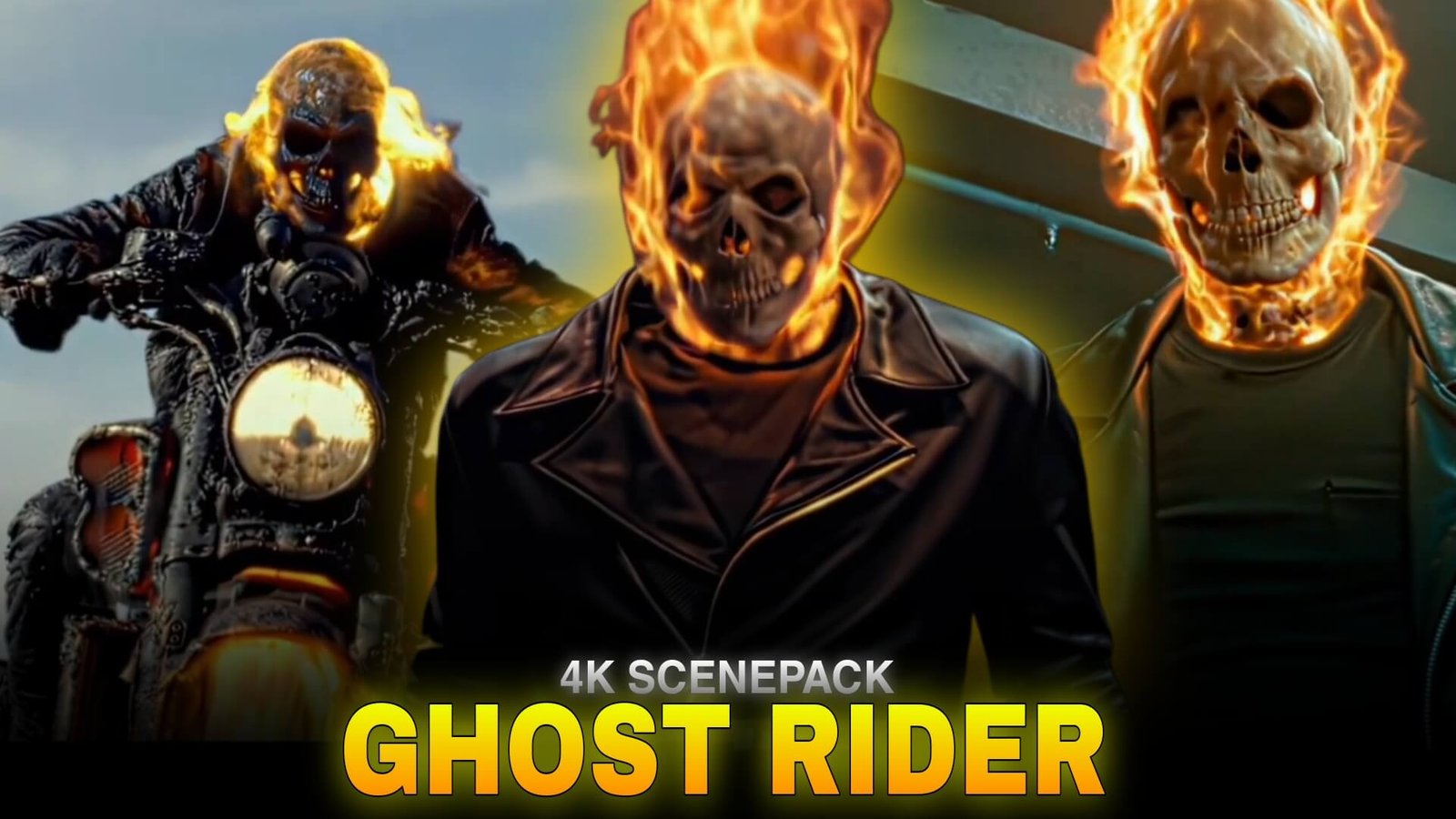
A flaming skull, a supernatural motorcycle, and chains surrounded by fire make Ghost Rider one of Marvel’s most visually distinctive characters. Johnny Blaze combines the intensity of a stunt rider with the frightening presence of the Spirit of Vengeance, creating plenty of opportunities for dramatic character edits.
Ghost Rider Twixtor is a compelling theme for editors who want to emphasize fiery transformations, motorcycle action, and supernatural combat. With carefully timed slow motion, strong music synchronization, and a controlled color grade, you can create an edit that feels dark, intense, and cinematic.
Why Ghost Rider Is Perfect for Twixtor Edits
Ghost Rider’s visual style naturally suits dramatic editing. The contrast between orange hellfire, dark surroundings, and the glowing skull creates striking frames. His motorcycle movements also provide clear opportunities for speed ramps and action transitions.
When planning Ghost Rider Twixtor, focus on the moments that make the character recognizable. A flaming skull reveal can establish the mood, while a close-up of the chain or a motorcycle shot can build momentum before a major beat drop.
Johnny Blaze’s story is explored in the 2007 film Ghost Rider and its sequel, Ghost Rider: Spirit of Vengeance. Both feature Nicolas Cage as Blaze, with the sequel placing additional emphasis on the character’s struggle with his supernatural curse. You can find more information on the official Sony Pictures page for Ghost Rider: Spirit of Vengeance.
Best Ghost Rider Scenes for Edits
1. The Flaming Skull Transformation
The transformation from Johnny Blaze into Ghost Rider is one of the most recognizable visual moments associated with the character. It works well as an edit introduction because the fire and changing appearance create a natural buildup.
For Ghost Rider Twixtor, try starting with a slower close-up before revealing the flaming skull. Synchronize the reveal with a musical accent and keep the transition clean so the transformation remains the focal point.
2. Motorcycle Action Sequences
Ghost Rider’s burning motorcycle provides excellent material for dynamic edits. Use faster playback during acceleration and introduce a brief slowdown during a visually striking turn or jump.
Avoid slowing every frame. The contrast between speed and stillness helps the motorcycle feel powerful and preserves the energy of the original action.
3. Hellfire and Chain Attacks
The character’s flaming chains and supernatural attacks offer opportunities for dramatic cuts and visual emphasis. Choose shots where the chain’s movement is easy to follow, then use short speed changes to emphasize its direction.
A well-paced Ghost Rider Twixtor edit can combine these attacks with close-ups of the skull and wider action shots to create a sequence with variety.
How to Create Smooth Ghost Rider Twixtor Clips
Choose Clear Footage
Start with source footage that preserves the outline of the character, the motorcycle, and the flames. Fire effects can change shape rapidly, so extremely blurry footage may produce inconsistent results during interpolation.
Apply Slow Motion Selectively
Import your chosen scenes into your editing software and isolate the moments that deserve emphasis. Apply Twixtor or another frame-interpolation tool, then preview the results at different speed settings.
Watch for ghosting around the motorcycle, chains, and flames. If the movement looks distorted, reduce the slowdown or use a standard speed ramp.
For a step-by-step introduction, read this beginner’s guide to making Twixtor clips.
Create a Fiery Color Grade
Use deep shadows and warm orange highlights to complement the character’s fire effects. Keep enough detail in darker areas so Ghost Rider’s clothing, motorcycle, and surroundings remain visible.
Avoid pushing saturation too far. Excessively bright flames can lose detail and make the entire frame look flat.
Sync Transitions With Music
Dark cinematic music, heavy percussion, and dramatic sound effects can complement Ghost Rider’s visual style. Build anticipation before the transformation, then use a strong beat for the reveal or an important attack.
The best Ghost Rider Twixtor edits balance the music with the action instead of adding a transition on every beat.
Common Editing Mistakes to Avoid
One common mistake is applying excessive glow, shake, and motion blur to every shot. Ghost Rider already has a visually intense design, so too many effects can obscure the flames and reduce detail.
Another issue is using extreme slow motion on complex fire or motorcycle footage. Interpolation may create unnatural edges when objects move quickly or overlap. Inspect difficult frames and adjust the effect when needed.
When refining Ghost Rider Twixtor, prioritize readable action, smooth timing, and consistent grading. A few strong moments usually create a better edit than a sequence overloaded with effects.
Final Thoughts
Ghost Rider offers editors a distinctive combination of supernatural imagery, motorcycle action, and dramatic transformations. Ghost Rider Twixtor works best when selective slow motion, fiery color grading, and well-timed transitions support the character’s natural intensity.
Whether you’re creating a short edit focused on Johnny Blaze or a longer supernatural action montage, choose clear footage and build the sequence around its strongest visual moments. For more superhero editing inspiration, explore the Thor Twixtor Clips collection.
Frequently Asked Questions
What is Ghost Rider Twixtor?
Ghost Rider Twixtor refers to editing Ghost Rider scenes with slow motion, frame interpolation, and velocity changes to emphasize transformations and action.
Which Ghost Rider scenes work best for edits?
Flaming skull transformations, motorcycle action, chain attacks, and hellfire moments are strong choices for cinematic character montages.
How can I make Ghost Rider slow motion smoother?
Use clear source footage, avoid extreme speed reductions, inspect fast-moving flames and chains for distortion, and preview the complete edit before exporting.
Disclaimer: Ghost Rider and related characters are the intellectual property of their respective rights holders. This article is an independent educational resource and is not affiliated with or endorsed by Marvel or Sony Pictures.